Product Redesign Case StudyDriving Product Convergence: How Lean UX & Design System Strategy Delivered a 9-Month Launch
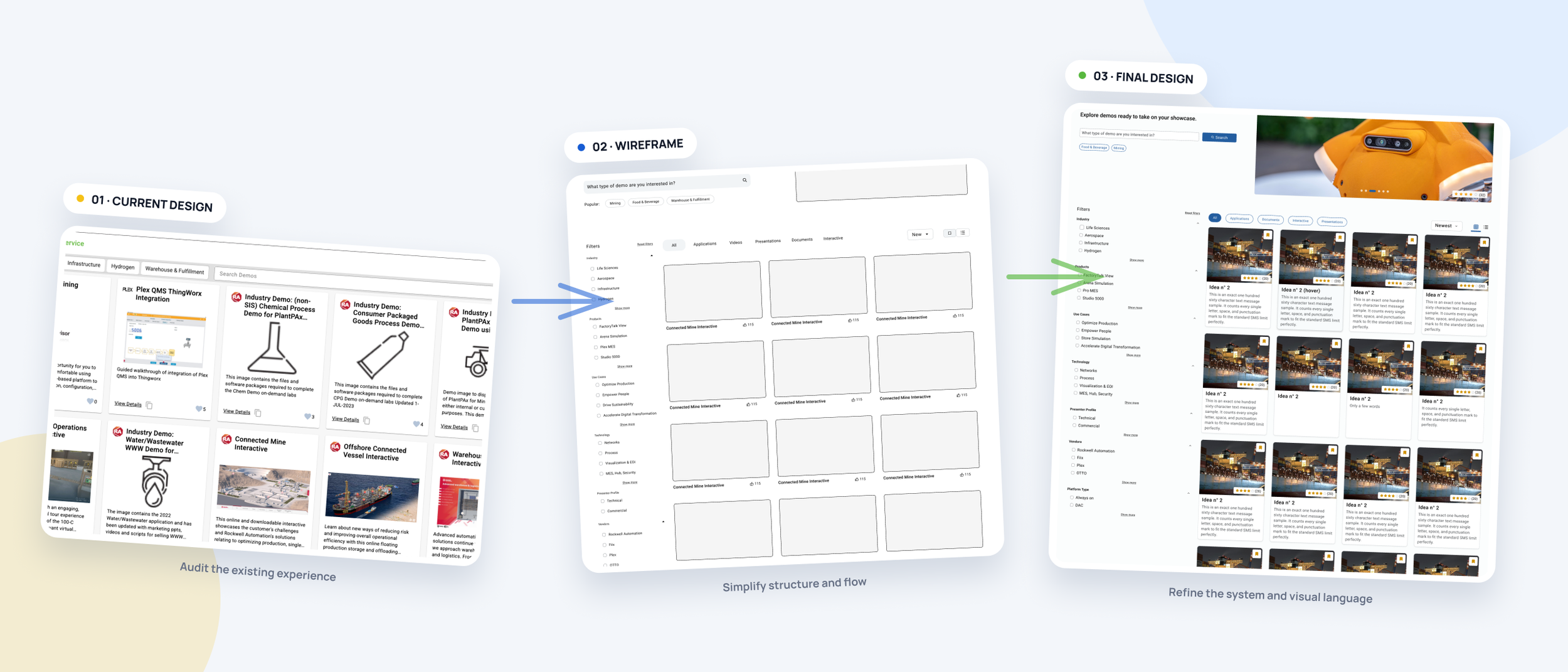
Consolidating redundant platforms doesn't require endless design cycles-just systemic thinking. By combining Design System architecture, rapid 1-on-1 user feedback, and AI-powered prototyping, I led the UX transformation that brought two divergent products into one production-ready platform in 9 months.
Core Objective
Consolidate two separate applications used by different internal teams into a single, cohesive platform by adapting an existing codebase to fulfil both user groups' workflows.
Designer & Timeline
Martin Tauš, Product / UX Designer (Embedded Design System Specialist)
9 months from initial alignment to production release
Model
Focused, high-efficiency part-time support prioritizing high impact per hour.
Discovery & User Research
Problem Alignment
Facilitated alignment sessions to understand the business and operational requirements of both team instances.
Qualitative Interviews
Conducted targeted 1-on-1 discovery sessions with active users (to protect core functionality) and prospective non-users (to map friction points and adoption barriers).
Iterative Wireframing
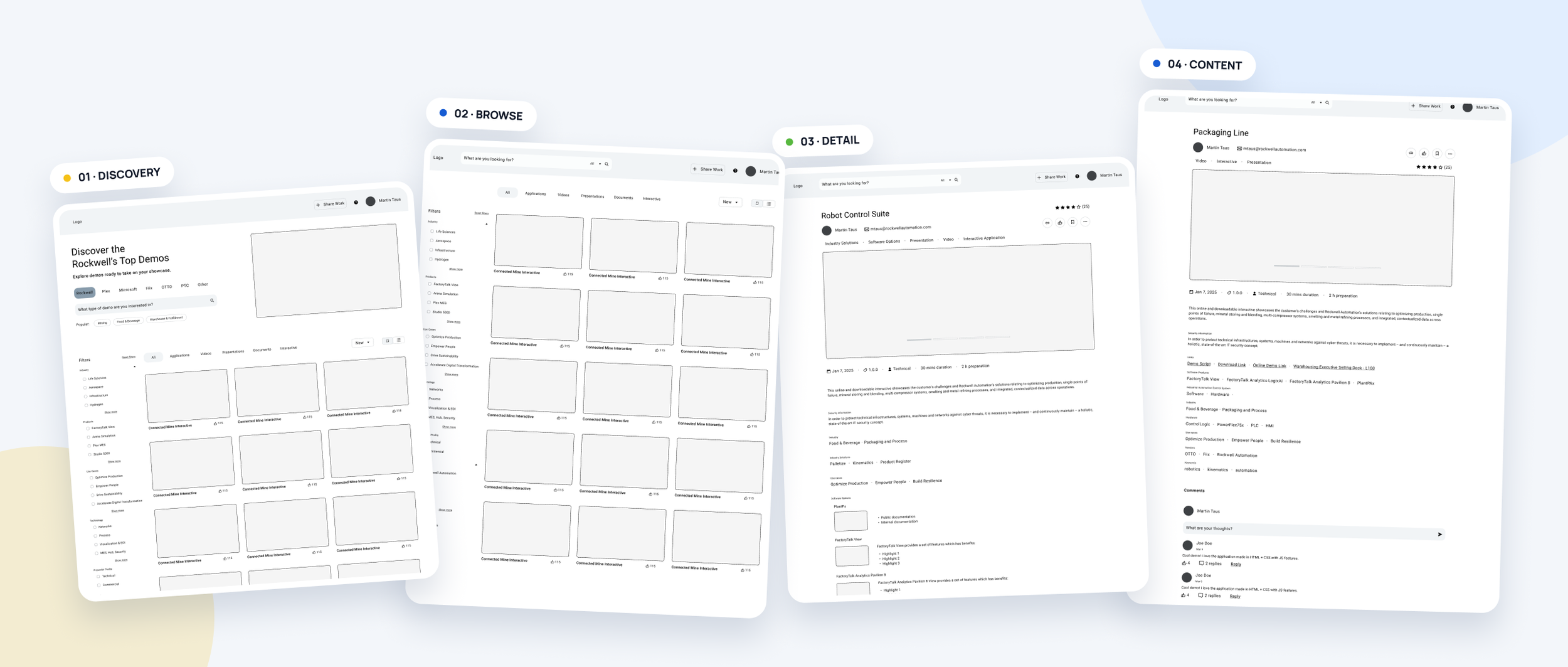
Used low-fidelity wireframes directly within interview sessions to test conceptual models, gather real-time feedback, and iterate rapidly without wasting design cycles.
Design & AI-Powered Prototyping
High-Fidelity UI
Elevated validated wireframes into refined, accessible UI mockups aligned with modern design standards.
AI-Accelerated Prototyping
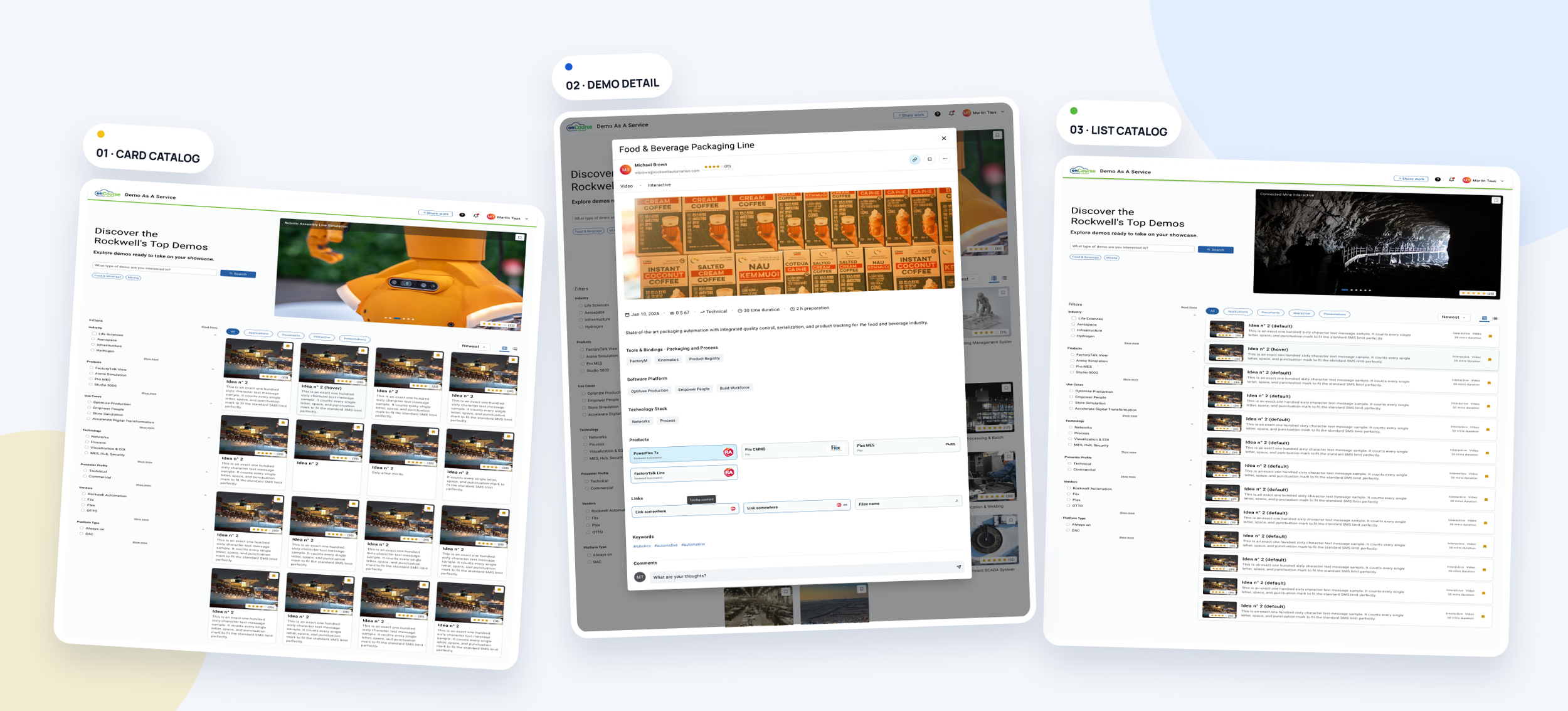
Utilized Figma AI workflows to rapidly generate an interactive prototype, drastically shortening the time from wireframe validation to functional prototype testing.
Usability Verification
Conducted validation tests with key stakeholders and end-users using the interactive prototype, securing buy-in prior to engineering handoff.
Handoff & Design System Evangelism
Systemic Integration
Spearheaded the integration of our shared Design System into the new unified app, demonstrating to stakeholders how tokenized components decrease development effort and maintain consistency.
Developer Specs
Delivered developer-ready UI specifications, complete with interaction states, edge-case documentation, and reusable component references.
Implementation & Agile Support
Sprint Support
Maintained active touchpoints with the development team throughout the build phase.
Real-time QA & Refinement
Resolved implementation blockers, clarified behavior edge-cases, and provided ongoing spec updates to keep development velocity high.
Outcomes & Lessons Learned
On-Time Release
Successfully consolidated two application streams into one unified platform and launched to production in 9 months.
Design System Adoption
Increased systemic adoption across teams, setting a clear framework for future product scale.
Lean Impact
Proven template for how a Design System specialist can drive end-to-end product impact on a part-time model through rapid prototyping and strong dev collaboration.